
"coffee cultivation decline"
2000 article(s) found

The latest news of the world coffee industry: the decline of coffee cultivation in Costa Rica
According to the Costa Rican "financier" newspaper reported on December 14. The planting area of coffee in Colombia has decreased by 6.4% in the past 30 years. It was 89881 hectares in 1984 and only 84133 hectares remained in 2015. Coffee gardens have to give up their land to real estate, especially in metropolitan areas. At the same time, the changes in coffee prices in the world have gradually reduced the profits of coffee cultivation, which are all placed on the main side of the coffee garden.

Those declining coffee bean growing areas (3)
Indonesia: the representative of Asia has no doubt that Indonesia was once the leading producer of established coffee in Asia. The best coffee growing areas in Indonesia are in Java, Sumatra and Sulawesi, and the main export markets are the European Union, the United States and Japan, which also reflects the excellent quality of coffee in the country. In the past few years, Indonesian coffee

Development status of Mocha Coffee in Yemen
(1) the total output has continued to decline in recent years since 2001, and Yemeni coffee production has declined year by year due to various reasons. The annual output has dropped from 11906 tons in 2001 to 11608 tons in 2003, 11590 tons in 2004, to about 11000 tons in 2008. In recent years, despite the rising prices in the international coffee market, the coffee industry in Yemen has not boomed with it, but sharply.

Current situation of coffee industry in Yemen
First, the history of Yemeni coffee (1) the origin of mocha coffee is in Yemen, the origin of mocha coffee is very wide, these coffees have their own characteristics and differences from quality to taste, but because these coffees have been shipped and exported from the port of Mocha in Yemen to markets around the world, they are collectively called mocha coffee. The port of Mocha is located along the Red Sea north of the Mande Strait.
Introduction to Cameroon Coffee
According to the National Office of Cocoa and Coffee of Cameroon (ONCC), by the end of the coffee harvest year 2012 Coffee in 2012, there was a significant decline in coffee production in Robsta and stagnation in Arabica, with a total commercial coffee production of 16142 tons, a decrease of 21985 tons compared with the previous coffee harvest of 38127 tons.

Exports of Ecuadorian coffee and its manufactured products declined in 2019
Professional coffee knowledge exchange more coffee bean information please follow coffee workshop (Wechat official account cafe_style) exports of Ecuadorian coffee and its manufactured products continue to decline in January 2019, the lowest since 2013, Ecuador's Central Bank data show that exports of Ecuadorian coffee and its manufactured products continued to decline in January 2019.

Coffee cultivation and export in Venezuela San Cristobal region
The coffee industry in Venezuela has been shrinking in recent years. The government encourages coffee cultivation by introducing new varieties and providing loans to farmers. Venezuelan coffee production accounted for more than 7% of global coffee production in the 19th century, but since the discovery of oil in the early 20th century, the coffee industry has been in decline. At present, Venezuelan coffee production accounts for less than 1% of the world's output.
Ecuadorian coffee exports have declined for three consecutive years
Ecuador "KuaiBao" news on July 15, due to harmful fungi, Ecuadorian coffee exports have declined for three consecutive years.
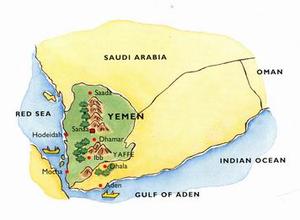
Details of coffee producing areas: the development status of coffee industry in Yemen
First, the history of Yemeni coffee (1) the origin of mocha coffee is in Yemen, the origin of mocha coffee is very wide, these coffees have their own characteristics and differences from quality to taste, but because these coffees have been shipped and exported from the port of Mocha in Yemen to markets around the world, they are collectively called mocha coffee. The port of Mocha is located along the Red Sea north of the Mande Strait.
The price of coffee is frozen, and industry organizations save themselves.
The Yunnan Coffee Industry Association held a media meeting in Kunming a few days ago to report on the current falling prices of Yunnan coffee and the difficult situation of coffee to sell, and the industry association organized to save itself.

The coffee producing area of Tanzania
Due to political instability and rampant diseases and insect pests, the coffee industry in Tanzania has been damaged, leading to a decline in the overall level of coffee and instability in quality, which in turn lead to lower prices, which are usually the result of a further decline in the coffee industry. What's more, it is estimated that more than 12% of the Arabica coffee grown in northern Tanzania from 1969 to 1985 was smuggled.

Yemeni coffee flavor and taste Yemeni coffee brands are introduced in Yemeni boutique coffee beans.
Since 2001, Yemeni coffee production has declined year by year due to various reasons. The annual output has dropped from 11906 tons in 2001 to 11608 tons in 2003, 11590 tons in 2004, to about 11000 tons in 2008. In recent years, despite the rising prices in the international coffee market, the coffee industry in Yemen has not boomed, but has shrunk sharply. The main reason for the decrease in coffee production

Characteristics of Tanzanian coffee flavor of Tanzania coffee
Due to political instability and rampant diseases and insect pests, the coffee industry in Tanzania has been damaged, leading to a decline in the overall level of coffee and instability in quality, which in turn lead to lower prices, which are usually the result of a further decline in the coffee industry. What's more, it is estimated that more than 12% of the Arabica coffee grown in northern Tanzania from 1969 to 1985 has gone.

The decline in coffee production in Kenya lags behind Uganda and Ethiopia in 2019.
Professional coffee knowledge exchange more coffee bean information Please follow Coffee Workshop (Wechat official account cafe_style) International Coffee Organization data show that as of 1990, Kenya was synchronized with Uganda and Ethiopia in coffee production, however, from the early 1990s to the 2010 Coffee 11 harvest year, Kenya's coffee acreage decreased by 35%.

Characteristics of Tanzania coffee beans Tanzania coffee producing areas
Due to political instability and rampant diseases and insect pests, the coffee industry in Tanzania has been damaged, leading to a decline in the overall level of coffee and instability in quality, which in turn lead to lower prices, which are usually the result of a further decline in the coffee industry. What's more, it is estimated that more than 12% of the Arabica coffee grown in northern Tanzania from 1969 to 1985 has gone.

Introduction of pure flavor Tanzanian coffee varieties taste manor boutique coffee beans
Due to political instability and rampant diseases and insect pests, the coffee industry in Tanzania has been damaged, leading to a decline in the overall level of coffee and instability in quality, which in turn lead to lower prices, which are usually the result of a further decline in the coffee industry. What's more, it is estimated that more than 12% of the Arabica coffee grown in northern Tanzania from 1969 to 1985 has gone.

Introduction to the flavor of high-quality coffee beans in manor
Due to political instability and rampant diseases and insect pests, the coffee industry in Tanzania has been damaged, leading to a decline in the overall level of coffee and instability in quality, which in turn lead to lower prices, which are usually the result of a further decline in the coffee industry. What's more, it is estimated that more than 12% of the Arabica coffee grown in northern Tanzania from 1969 to 1985 has gone.
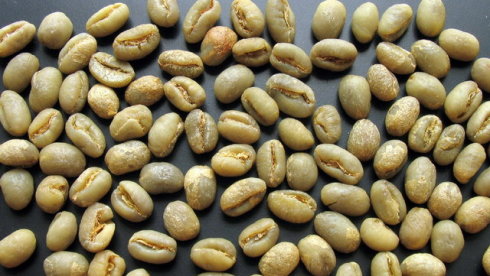
Tanzania Coffee Green Bean Kilimanjaro AA Black Plum Flavor Balanced Acidity Soft Mild
Political instability and pest infestation have disrupted Tanzania's coffee industry, leading to a decline in overall coffee levels and instability in quality, which in turn has led to lower prices, which usually result in further declines in the coffee industry. More notably, it is estimated that from 1969 to 1985 more than 12 per cent of the Arabica coffee grown in northern Tanzania was lost.

The price of coffee beans in Guatemala The cultivation of coffee beans in Guatemala Boutique coffee
The extra hard coffee beans here are full, delicious and balanced, and the coffee brewed with them is pure and rich. Guatemala coffee once enjoyed a reputation as the best coffee in the world, but quality declined for a while. Happily, however, its popularity is gradually being restored. Father Jesuit introduced coffee trees to Guatemala in 1750, late 19th century

Those declining coffee bean plantations
Editor's note: the world's most famous coffee shop, the use of coffee is carefully selected, there is a special attention. At present, many people like to make their own coffee, such as milk coffee, left-handed coffee and so on, which must be concerned about coffee beans. But do you know the growing base of coffee beans? Next, follow the editor to read the article! Haiti: a forgotten place